Analog vs Digital FPV Systems: Which Video Link Should You Choose?
Analog vs Digital FPV Systems
Analog vs Digital FPV Systems is one of the biggest decisions every FPV drone pilot faces before building or buying a drone. Your video transmission system affects everything from image quality and latency to flying confidence, range, and overall experience. Whether you’re a beginner entering the FPV hobby or an experienced pilot upgrading your setup, choosing the right video link is essential.
For years, analog FPV dominated the industry because of its affordability and low latency. However, digital FPV systems have transformed the flying experience by delivering crystal-clear HD video, improved penetration, and advanced features. In this guide, we’ll compare analog and digital FPV systems in detail to help you choose the best option for your flying style.
What Is an Analog FPV System?
An analog FPV system transmits video signals using traditional radio frequencies. The image is sent continuously from the drone’s camera through a video transmitter (VTX) to your FPV goggles.
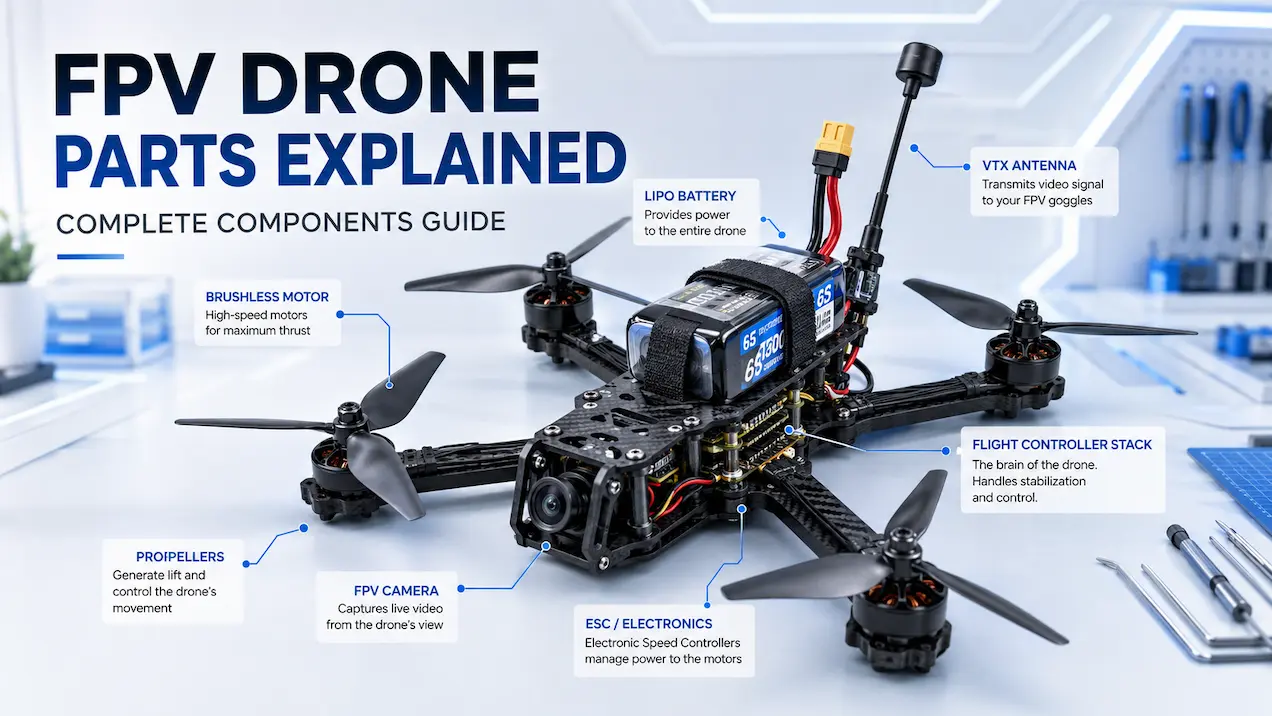
A standard analog setup includes:
- Analog FPV camera
- Video Transmitter (VTX)
- FPV antenna
- Analog FPV goggles
- Video receiver (VRX)
Analog systems have been trusted by FPV pilots for decades due to their simplicity and low cost.
👉 Looking for high-quality FPV gear? Browse our collection of FPV cameras, video transmitters, goggles, and accessories
What Is a Digital FPV System?
A digital FPV system captures video, compresses it, and transmits it in high definition to compatible FPV goggles.
Popular digital ecosystems include:
- DJI O3 Air Unit
- Walksnail Avatar
- HDZero
Digital systems offer significantly better video quality while introducing additional smart features like DVR recording, telemetry overlays, and improved signal management.
Analog vs Digital FPV Systems: Key Differences
1. Image Quality
Image quality is the most obvious difference.
Analog FPV
- Standard Definition (SD)
- Grainy image
- Visible static
- Limited detail
Digital FPV
- High Definition (720p–1080p depending on system)
- Sharper image
- Better colors
- Greater visibility of obstacles
Pilots flying through forests or technical freestyle lines often benefit from the improved clarity of digital systems.
Winner: Digital FPV
2. Latency
Latency is the delay between camera movement and what you see in your goggles.
Analog FPV
Typically:
- 5–15 ms
Very consistent performance.
Digital FPV
Usually:
- 20–40 ms depending on the system and signal quality
Modern systems have greatly reduced latency compared to earlier digital solutions.
For competitive racing, even small delays matter.
Winner: Analog FPV
3. Range
Both technologies can achieve excellent range with proper antennas.
Analog
Signal gradually degrades as distance increases.
Pilots usually see:
- Static
- Snow
- Interference
This warning helps indicate you’re approaching signal limits.
Digital
Maintains a clear HD image until signal weakens significantly.
Near the limit, digital systems may suddenly freeze or pixelate.
Winner: Tie (depends on setup)
4. Signal Penetration
Flying behind buildings, trees, or obstacles challenges every video system.
Analog
Handles weak signals gradually.
Image becomes noisy but often remains flyable.
Digital
Excellent penetration in many situations, but severe interference can result in frozen or pixelated video.
Modern digital systems continue improving through firmware updates.
Winner: Slight Advantage to Digital
5. Cost
Budget plays a major role.
Analog System
Lower equipment cost.
Typical components:
- Camera
- VTX
- Goggles
- Receiver
Replacement parts are also inexpensive.
Digital System
Higher investment.
Requires:
- Digital camera
- Air Unit
- Compatible goggles
Replacement costs are considerably higher.
Winner: Analog FPV
6. Installation
Analog systems are generally easier to install.
Digital systems often require:
- Firmware updates
- Activation
- Compatible hardware
- Additional wiring
Beginners may find analog builds more forgiving.
Winner: Analog
7. Weight
Digital air units are generally heavier.
For tiny whoops and ultralight builds:
Analog remains the preferred choice.
Larger freestyle and cinematic drones can easily carry digital systems.
Winner: Analog
8. DVR Recording
Digital systems usually include high-quality onboard recording.
Benefits include:
- HD footage
- Easy sharing
- Better flight review
Analog DVR recordings are often much lower in quality.
Winner: Digital
9. Reliability
Analog technology has been refined over many years.
It is:
- Proven
- Stable
- Easy to troubleshoot
Digital systems are becoming increasingly reliable but remain more complex.
Winner: Analog
10. Flying Experience
This is where digital truly stands out.
A sharp HD image allows pilots to:
- Judge distance more accurately
- Spot obstacles sooner
- Fly confidently
- Enjoy immersive cinematic flights
Many pilots who switch to digital rarely return to analog for freestyle or cinematic flying.
Winner: Digital
Pros and Cons
Analog FPV Pros
- Affordable
- Very low latency
- Lightweight
- Easy to repair
- Wide compatibility
- Excellent for racing
Cons
- Lower image quality
- More interference
- Limited recording quality
Digital FPV Pros
- Crystal-clear HD video
- Better visibility
- Built-in DVR
- Modern features
- More immersive flying experience
- Cleaner signal
Cons
- Higher cost
- Slightly higher latency
- Heavier components
- More complex installation
Which FPV System Is Best for Different Pilots?
Beginners
Digital FPV provides a clearer image, making learning easier. However, if you’re on a tight budget, analog remains an excellent entry point.
FPV Racers
Competitive racers often prefer analog due to its extremely low and consistent latency.
Freestyle Pilots
Digital systems offer superior image quality, making freestyle flying more enjoyable and precise.
Cinematic Drone Pilots
For capturing professional-looking footage and navigating challenging environments, digital FPV is the preferred choice.
Long-Range Pilots
Both analog and digital can perform well for long-range flights, but digital offers better image quality when paired with a well-designed antenna setup.
Popular Digital FPV Systems
DJI O3 Air Unit
Best for:
- Cinematic flying
- Beginners
- Freestyle
- HD recording
Walksnail Avatar
Best for:
- Freestyle
- Long-range
- Modular upgrades
HDZero
Best for:
- Racing
- Low latency
- Competitive pilots
Analog vs Digital FPV Systems Comparison
| Feature | Analog FPV | Digital FPV |
|---|---|---|
| Image Quality | Standard Definition | High Definition |
| Latency | Excellent | Very Good |
| Cost | Low | Higher |
| Weight | Lighter | Heavier |
| Installation | Simple | Moderate |
| DVR | Basic | HD Recording |
| Signal Behavior | Gradual Static | Pixelation/Freeze |
| Best For | Racing & Budget Builds | Freestyle & Cinematic Flying |
Which Video Link Should You Choose?
Choose Analog FPV if you:
- Want the most affordable setup
- Compete in FPV racing
- Build lightweight drones
- Prioritize ultra-low latency
Choose Digital FPV if you:
- Want stunning HD video
- Fly freestyle or cinematic missions
- Need better obstacle visibility
- Prefer modern features and onboard recording
Final Verdict
Choosing between Analog vs Digital FPV Systems ultimately depends on your flying style, budget, and priorities. Analog remains a fantastic choice for racers, beginners with limited budgets, and pilots who value simplicity and ultra-low latency. On the other hand, digital FPV systems deliver a dramatically improved viewing experience with high-definition video, advanced features, and greater immersion.
As digital technology continues to evolve and prices become more accessible, many new pilots are making the switch. Still, analog maintains a loyal following thanks to its reliability and cost-effectiveness. The best video link is the one that aligns with your goals and helps you enjoy every flight with confidence.
Stay Connected
Want more FPV tips, drone setup guides, flight tutorials, and product updates? Follow us on Instagram:
Frequently Asked Questions
Is digital FPV better than analog?
Digital FPV offers superior image quality and modern features, while analog provides lower latency and lower costs.
Which FPV system is best for beginners?
Digital systems are easier to fly thanks to clearer video, but analog is ideal for beginners on a budget.
Is analog FPV still worth buying?
Yes. Analog remains popular for FPV racing, lightweight drones, and affordable builds.
Which digital FPV system is best?
The best system depends on your needs. DJI O3 excels in image quality, Walksnail offers flexibility, and HDZero is favored for low-latency racing.
Can I upgrade from analog to digital later?
Yes. Many FPV pilots begin with analog and later upgrade to a compatible digital ecosystem as their skills and budget grow.