Solar Generator vs Gas Generator: Which Is Better for Backup Power?
Solar Generator vs Gas Generator
Solar Generator vs Gas Generator is one of the most common comparisons homeowners, campers, RV owners, and businesses make when choosing a reliable backup power solution. Whether you’re preparing for unexpected outages or looking for an off-grid power source, understanding the differences between these two options can help you make the right investment. While gas generators have been trusted for decades, solar generators are becoming increasingly popular thanks to their clean energy, quiet operation, and low maintenance.
In this guide, we’ll compare solar generators and gas generators across performance, cost, maintenance, environmental impact, and real-world usability so you can determine which option best fits your needs.
What Is a Solar Generator?
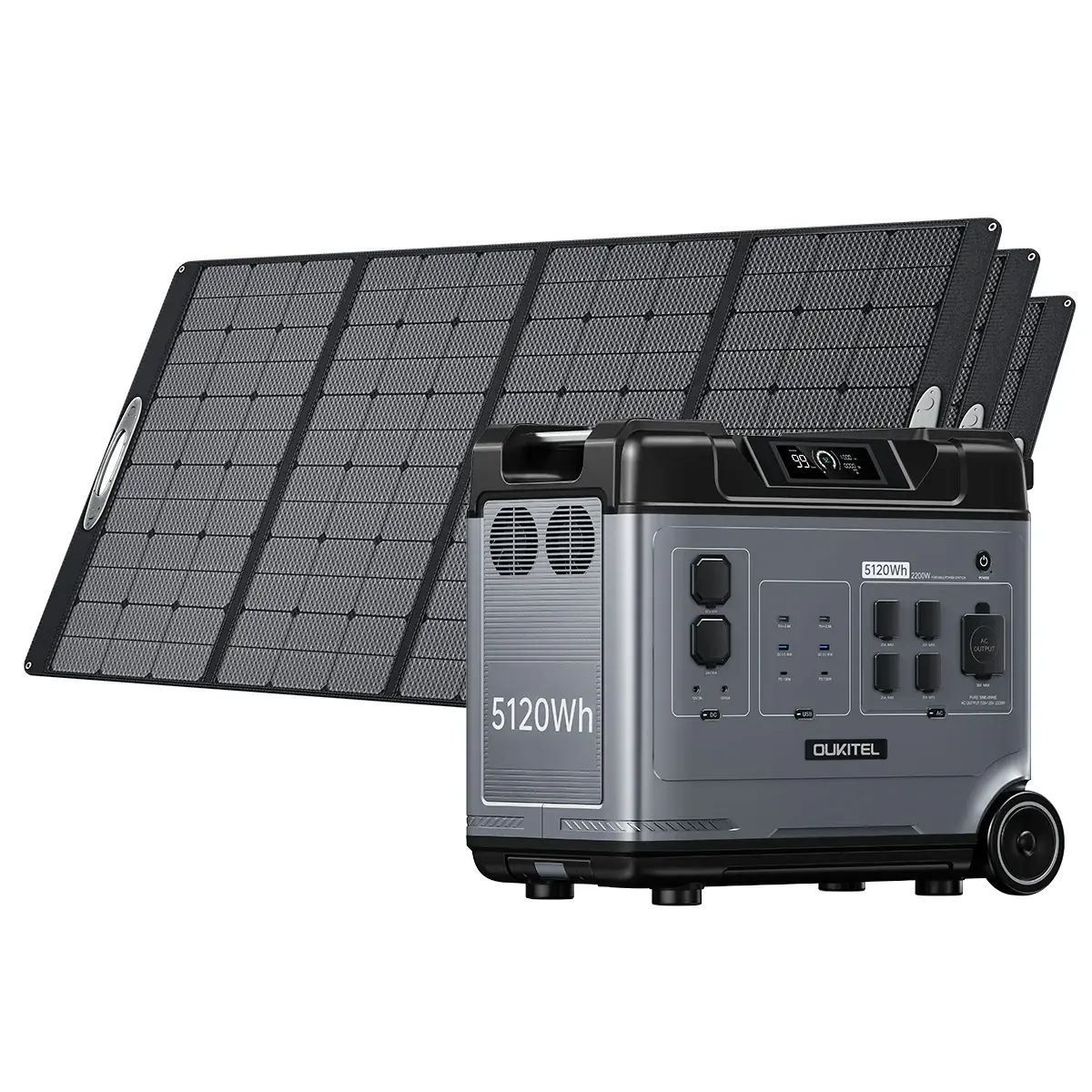
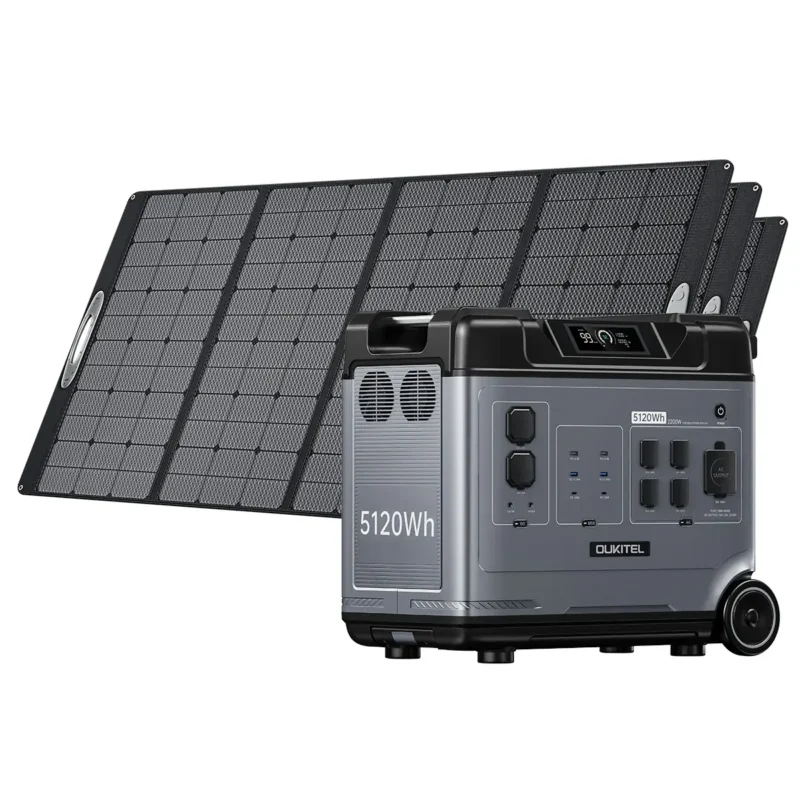
A solar generator is a portable power system that stores electricity in rechargeable batteries. Instead of burning fuel, it collects energy from solar panels and stores it for later use.
A typical solar generator includes:
- Solar panels
- Battery storage
- Charge controller
- Inverter
- Multiple output ports
Unlike traditional generators, solar generators produce electricity silently and without harmful emissions.
👉 Looking for a reliable solar generator? Explore our collection of premium backup power solutions.
What Is a Gas Generator?
A gas generator produces electricity by burning gasoline, propane, or diesel. The engine powers an alternator that converts mechanical energy into electricity.
Gas generators are commonly used for:
- Home backup power
- Construction sites
- Outdoor events
- Emergency situations
They are capable of supplying high amounts of power but require regular fueling and maintenance.
Solar Generator vs Gas Generator: Key Differences
1. Power Output
Gas generators typically provide much higher power output than solar generators.
Solar Generator
- Best for electronics
- Small appliances
- CPAP machines
- Refrigerators (depending on battery size)
- Camping equipment
Gas Generator
- Air conditioners
- Water pumps
- Large refrigerators
- Power tools
- Whole-home backup
Winner: Gas Generator (for maximum power)
2. Fuel Source
This is one of the biggest differences.
Solar Generator
Uses free energy from the sun.
No fuel purchases.
No fuel storage.
Unlimited energy with sunlight.
Gas Generator
Requires:
- Gasoline
- Diesel
- Propane
Fuel costs continue every time you use it.
Winner: Solar Generator
3. Operating Cost
Although solar generators cost more upfront, they are significantly cheaper over time.
Solar Generator Costs
- No fuel
- Minimal maintenance
- Long battery lifespan
- Lower lifetime cost
Gas Generator Costs
- Fuel
- Oil changes
- Spark plugs
- Filters
- Engine servicing
Winner: Solar Generator
4. Maintenance
Maintenance is another major deciding factor.
Solar Generator
Very little maintenance required.
Simply:
- Keep panels clean
- Store batteries properly
- Update firmware (if applicable)
Gas Generator
Requires routine:
- Oil changes
- Air filter replacement
- Fuel stabilization
- Engine maintenance
- Regular test runs
Winner: Solar Generator
5. Noise Level
Noise can become a serious issue during extended outages.
Solar Generator
Nearly silent.
Perfect for:
- Apartments
- Campsites
- RVs
- Indoor use
Gas Generator
Produces significant engine noise.
Often ranges between:
- 60–90 dB
This may disturb neighbors or violate campground rules.
Winner: Solar Generator
6. Environmental Impact
Solar generators produce zero emissions while operating.
Benefits include:
- Clean energy
- No carbon emissions during use
- No fuel spills
- Reduced environmental footprint
Gas generators emit:
- Carbon monoxide
- Carbon dioxide
- Nitrogen oxides
They should never be operated indoors.
Winner: Solar Generator
7. Portability
Both types come in portable models.
Solar generators are usually lighter for smaller capacities.
Gas generators become heavier due to:
- Fuel tank
- Engine
- Exhaust system
For camping and travel, solar generators are generally easier to transport.
Winner: Solar Generator
8. Runtime
Runtime depends on available fuel or stored battery capacity.
Solar Generator
Runs until battery is depleted.
Can recharge during the day using solar panels.
Gas Generator
Runs until fuel runs out.
Can continue operating if more fuel is available.
Winner: Tie
9. Indoor Safety
Solar generators are completely safe indoors because they produce no exhaust fumes.
Gas generators must always remain outdoors due to carbon monoxide risk.
Winner: Solar Generator
10. Reliability During Emergencies
Both perform well in emergencies.
Solar generators excel during:
- Daytime outages
- Long-term off-grid living
- Natural disasters with fuel shortages
Gas generators excel when:
- High power is immediately needed
- Fuel is readily available
Pros and Cons
Solar Generator Pros
- Clean energy
- Quiet operation
- Low maintenance
- No fuel costs
- Indoor safe
- Eco-friendly
- Portable
Cons
- Higher initial investment
- Limited battery capacity
- Weather-dependent charging
Gas Generator Pros
- High power output
- Longer continuous runtime with fuel
- Lower upfront cost
- Handles heavy appliances
Cons
- Fuel expenses
- Loud operation
- Engine maintenance
- Harmful emissions
- Cannot be used indoors
Which Generator Is Better for Different Users?
Homeowners
A solar generator is ideal for powering essential appliances during short outages, while a gas generator is better suited for running an entire home or large HVAC systems.
Campers
Solar generators are the clear winner due to their silent operation and clean energy.
RV Owners
Portable solar generators provide convenient charging without disturbing nearby campers.
Businesses
Businesses that require uninterrupted high-power equipment often prefer gas generators or hybrid backup systems.
Cost Comparison
| Feature | Solar Generator | Gas Generator |
|---|---|---|
| Initial Cost | Higher | Lower |
| Fuel Cost | None | Ongoing |
| Maintenance | Very Low | High |
| Lifetime Cost | Lower | Higher |
| Noise | Quiet | Loud |
| Emissions | None | High |
When Should You Choose a Solar Generator?
A solar generator is the better option if you want:
- Quiet backup power
- Eco-friendly energy
- Low maintenance
- Long-term savings
- Indoor-safe operation
- Camping or RV use
When Should You Choose a Gas Generator?
A gas generator makes more sense if you need:
- Whole-home backup
- Heavy-duty appliances
- Continuous high wattage
- Lower upfront investment
- Emergency construction power
Final Verdict
Choosing between a Solar Generator vs Gas Generator depends on your power needs, budget, and lifestyle. If you prioritize sustainability, silent operation, and low maintenance, a solar generator is the smarter long-term investment. However, if your primary concern is powering large appliances or an entire home during extended outages, a gas generator still offers unmatched power output.
Many homeowners today are also adopting a hybrid approach—using a solar generator for daily backup and a gas generator for high-demand emergencies. This combination delivers flexibility, reliability, and peace of mind.
If you’re considering upgrading your emergency power setup, compare your energy requirements carefully before making a purchase. The right generator can provide dependable backup power for years to come.
Stay Connected
For more backup power tips, product updates, installation guides, and real-world demonstrations, follow us on Instagram
Frequently Asked Questions
Are solar generators better than gas generators?
Solar generators are better for quiet, eco-friendly, and low-maintenance backup power, while gas generators are better for high-power applications.
Can a solar generator power an entire house?
Most portable solar generators cannot power an entire house, but larger battery systems can support essential appliances during outages.
How long do solar generators last?
High-quality solar generators typically last 10–15 years, depending on battery technology and usage.
Do gas generators require maintenance?
Yes. Gas generators require regular oil changes, air filter replacement, spark plug maintenance, and engine servicing.
Which generator is more cost-effective?
Although solar generators have a higher upfront cost, they often become more cost-effective over time because they require no fuel and minimal maintenance.